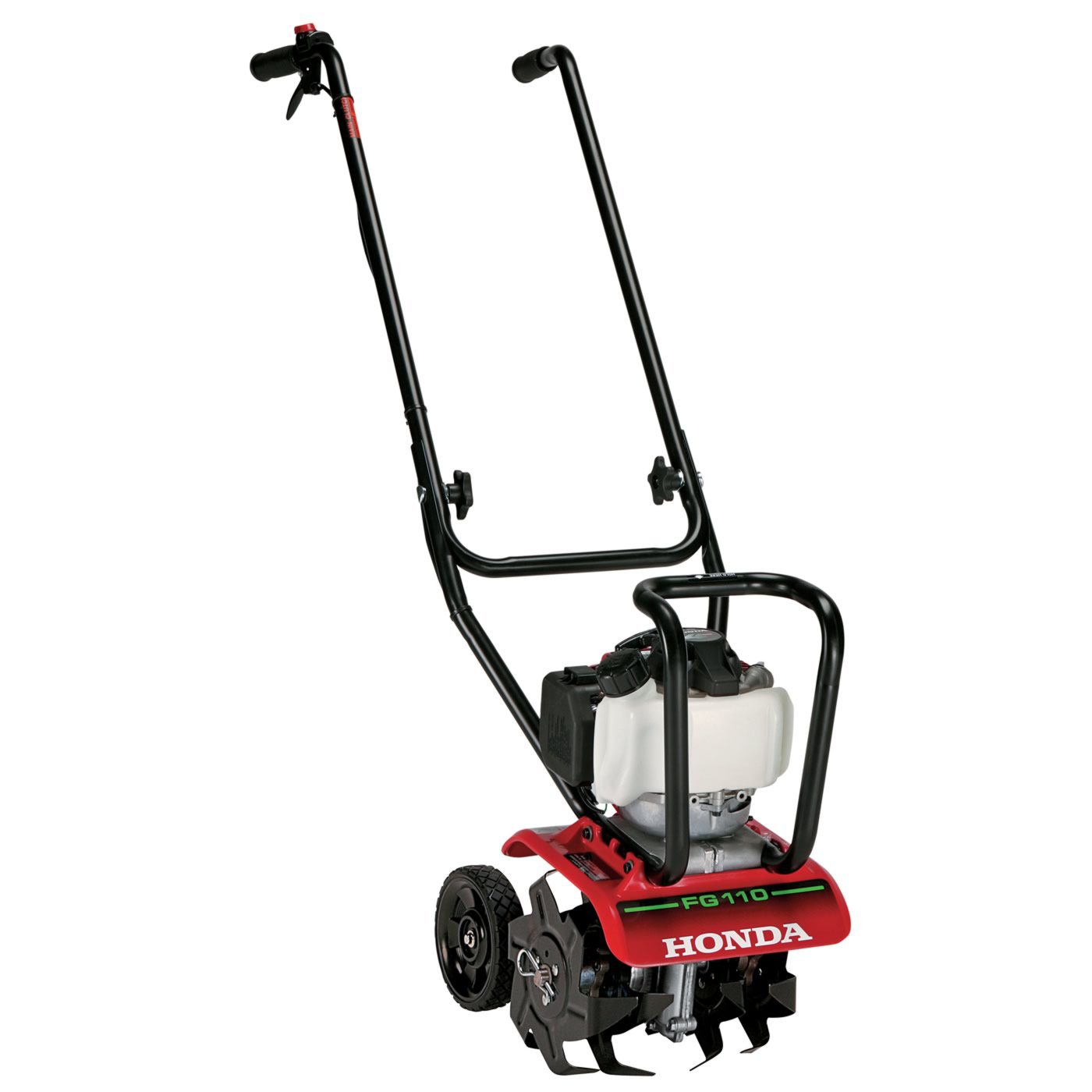
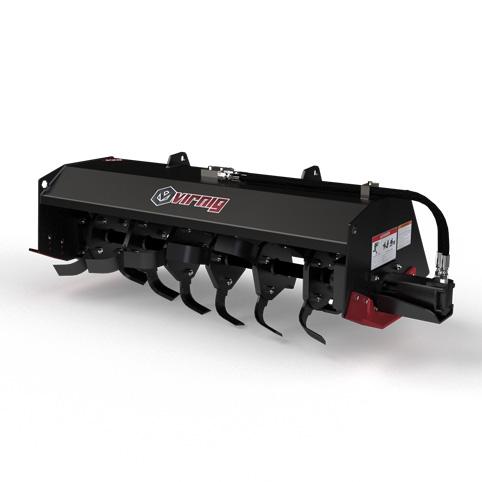
Mini Tiller Electric
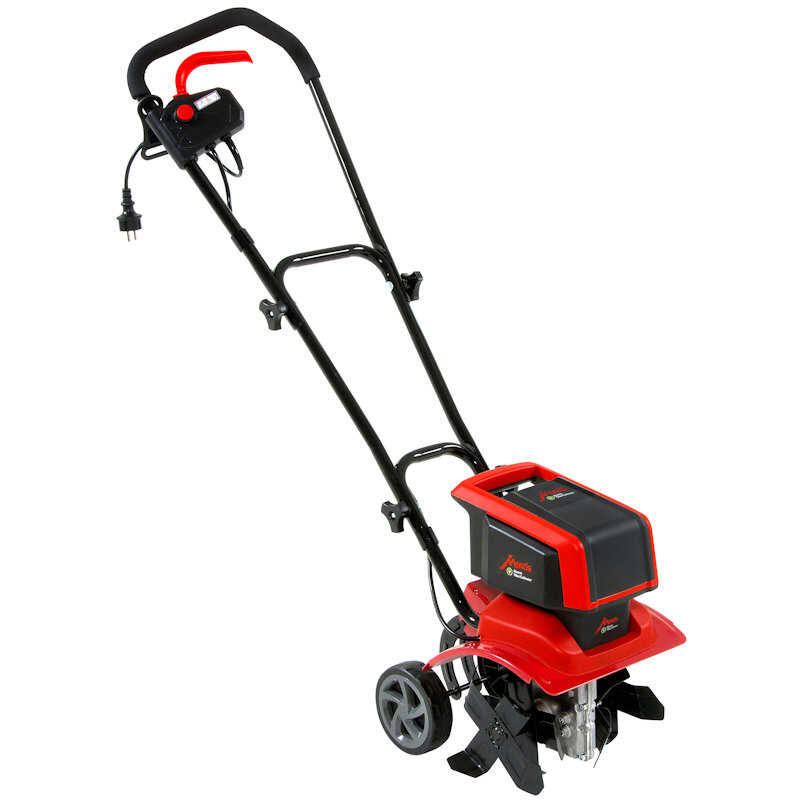
Welcome to the world of easy gardening with mini electric tillers! If you’re tired of spending hours manually tilling your garden soil or struggling with heavy, gas-powered tillers, then it’s time to experience the convenience and power of mini electric tillers. These compact machines are perfect for small to medium-sized gardens, providing the perfect balance of power and maneuverability. Say goodbye to sore muscles and hello to a more efficient gardening experience with mini electric tillers.

Advantages of Using a Mini Tiller Electric
Mini tiller electric is a versatile tool that offers a range of benefits to gardeners and homeowners alike. One of the main advantages of using a mini tiller electric is its compact size and lightweight design. Unlike traditional gas-powered tillers, which can be heavy and cumbersome to maneuver, a mini tiller electric is easy to handle and transport. This makes it ideal for smaller gardens or tight spaces where a larger tiller may not be practical.
In addition to its portability, a mini tiller electric is also quieter and more environmentally friendly than gas-powered models. Because it runs on electricity, it produces fewer emissions and less noise, making it a more sustainable choice for eco-conscious gardeners. This can be especially important for those who live in urban areas or neighborhoods where noise pollution is a concern.
Another advantage of using a mini tiller electric is its ease of use. With simple push-button controls and adjustable settings, these machines are user-friendly and accessible to gardeners of all experience levels. Whether you are a seasoned pro or a beginner just starting out, a mini tiller electric can help you achieve professional results with minimal effort.
One of the main benefits of using a mini tiller electric is its versatility. These machines are capable of performing a wide range of tasks, from tilling soil to aerating and cultivating flower beds. With interchangeable attachments and accessories, you can customize your mini tiller electric to suit your specific gardening needs. Whether you are preparing a new garden bed or maintaining existing landscaping, a mini tiller electric can help you get the job done quickly and efficiently.
Another advantage of using a mini tiller electric is its low maintenance requirements. Unlike gas-powered tillers, which require regular tune-ups and refueling, a mini tiller electric is virtually maintenance-free. With simple cleaning and occasional blade sharpening, you can keep your machine running smoothly for years to come. This can save you time and money in the long run, as you won’t have to worry about costly repairs or replacements.
Overall, the advantages of using a mini tiller electric are clear. From its compact size and ease of use to its versatility and low maintenance requirements, this tool offers a range of benefits to gardeners and homeowners alike. Whether you are a seasoned pro or a beginner just starting out, a mini tiller electric can help you achieve beautiful results in your garden with minimal effort. So why not give one a try and see the difference for yourself?
Features to Consider When Choosing a Mini Tiller Electric
When choosing a mini tiller electric, there are several important features to consider to ensure that you are getting the right tool for your gardening needs. Here are some key features to keep in mind:
1. Power Source: One of the first things to consider when choosing a mini tiller electric is the power source. These tillers can be powered by electricity or battery. Electric tillers are generally more powerful and provide consistent power for longer durations, while battery-powered tillers are more portable and don’t require a nearby power outlet. Consider your gardening needs and whether you have easy access to electricity when deciding on the power source.
2. Tilling Width and Depth: The tilling width and depth are crucial features to consider when choosing a mini tiller electric. The tilling width determines how much soil the tiller can work on in one pass, while the tilling depth determines how deep the tiller can dig into the soil. A wider tilling width is beneficial for larger areas, while a greater tilling depth is important for breaking up hard-packed soil. Consider the size of your garden and the type of soil you will be working with to determine the ideal tilling width and depth for your needs.
3. Motor Power: The motor power of a mini tiller electric is another important feature to consider. The motor power determines how efficiently the tiller can break up and aerate the soil. A more powerful motor will be able to handle tougher soil conditions and larger areas more effectively. However, a more powerful motor may also result in a heavier and bulkier tiller, so consider the balance between power and portability when choosing a mini tiller electric.
4. Adjustability: Another feature to consider when choosing a mini tiller electric is adjustability. Look for a tiller that offers adjustable tilling width and depth settings, as well as adjustable handle height and angle. This will allow you to customize the tiller to suit your specific gardening needs and preferences. Adjustable settings can make the tiller more versatile and easier to use in different gardening situations.
5. Durability and Build Quality: It is also important to consider the durability and build quality of the mini tiller electric. Look for a tiller that is made from high-quality materials and has a sturdy construction that can withstand regular use in the garden. Read reviews and consider the reputation of the brand to ensure that you are investing in a reliable and long-lasting tool.
6. Safety Features: Lastly, consider the safety features of the mini tiller electric before making a purchase. Look for features such as a safety switch, overload protection, and a sturdy guard to prevent debris from flying out during operation. Safety should always be a top priority when using gardening tools, so choose a tiller that prioritizes safety features.
By considering these key features when choosing a mini tiller electric, you can ensure that you are selecting a tool that is well-suited to your gardening needs and will provide efficient and effective performance in maintaining your garden.
How to Properly Maintain a Mini Tiller Electric
Proper maintenance of your mini tiller electric is essential to ensure its longevity and efficiency. By following these simple steps, you can keep your machine running smoothly and prevent any costly repairs down the line.
1. Clean the Blades Regularly: One of the most important aspects of maintaining your mini tiller electric is to clean the blades regularly. After each use, make sure to remove any dirt, debris, or plant matter that has accumulated on the blades. This will prevent the blades from getting dull and ensure that they can cut through the soil efficiently.
2. Check the Oil Levels: Another crucial step in maintaining your mini tiller electric is to regularly check the oil levels. Make sure to follow the manufacturer’s recommendations for the type of oil to use and how often to change it. Keeping the oil levels at the proper level will help the engine run smoothly and prevent any damage from occurring.
3. Inspect the Spark Plug: The spark plug is a vital component of your mini tiller electric’s engine, as it is responsible for igniting the fuel and air mixture. Over time, the spark plug can become dirty or worn out, which can lead to poor engine performance. To maintain your mini tiller electric, you should inspect the spark plug regularly and clean or replace it as needed. To inspect the spark plug, simply remove the spark plug wire and use a spark plug wrench to remove the plug. Check for any signs of wear or buildup, such as carbon deposits, and clean or replace the plug if necessary.
4. Check the Air Filter: The air filter is another important component of your mini tiller electric’s engine, as it helps to prevent dust and debris from entering the engine and causing damage. To maintain your mini tiller electric, you should regularly check the air filter and clean or replace it as needed. To check the air filter, simply remove the cover and inspect the filter for any signs of dirt or damage. If the filter is dirty or clogged, clean it with compressed air or replace it with a new one.
5. Store Properly: When not in use, it is important to store your mini tiller electric properly to prevent any damage or issues from occurring. Make sure to clean the machine thoroughly before storing it and store it in a dry, covered area away from any moisture or extreme temperatures.
By following these simple maintenance tips, you can ensure that your mini tiller electric remains in top condition and continues to perform at its best for years to come.
Common Troubleshooting Tips for a Mini Tiller Electric
If you own a mini tiller electric, you know how convenient and efficient they can be for maintaining your garden. However, like any machine, they can sometimes encounter issues that need troubleshooting. Here are some common troubleshooting tips to help you keep your mini tiller electric running smoothly:
1. Check the Power Source: The first step in troubleshooting your mini tiller electric is to check the power source. Make sure that the power cord is securely connected to the outlet and that there are no visible signs of damage. If the tiller is battery-operated, check if the battery is fully charged. Sometimes, a simple problem like a loose power cord or a drained battery can cause your tiller to not start.
2. Inspect the Blades: Another common issue with mini tiller electrics is dull or damaged blades. If your tiller is not cutting through the soil effectively, it may be time to inspect and sharpen or replace the blades. Make sure to follow the manufacturer’s instructions for blade maintenance to ensure optimal performance.
3. Clean the Tines: Over time, dirt, debris, and plant matter can build up on the tines of your mini tiller electric, causing it to become less efficient. To troubleshoot this issue, remove any debris from the tines and clean them thoroughly. You may also need to lubricate the tines to prevent rust and ensure smooth operation.
4. Examine the Motor: The motor is the heart of your mini tiller electric, so it’s essential to troubleshoot any issues related to it. If you notice that the motor is overheating, emitting strange noises, or simply not running smoothly, it may be time for further inspection. Start by checking the motor housing for any signs of damage or clogs. If everything looks good, you may need to consult a professional for motor repair or replacement. Additionally, make sure to follow the manufacturer’s maintenance guidelines to keep the motor in top condition.
5. Consult the User Manual: If you’ve tried the above troubleshooting tips and are still experiencing issues with your mini tiller electric, it’s always a good idea to consult the user manual. The manual may have specific troubleshooting steps for common problems and provide guidance on when to contact customer service or a professional for assistance. Remember to always follow the manufacturer’s recommendations to ensure the safe and effective operation of your mini tiller electric.
By following these common troubleshooting tips, you can keep your mini tiller electric in top working condition and enjoy a well-maintained garden all year round. With a little maintenance and care, your mini tiller electric will continue to be a valuable tool for your gardening needs.
Comparison Between Gas-Powered and Electric Mini Tillers
When it comes to choosing between gas-powered and electric mini tillers, there are a few key differences to consider. Both types of tillers have their own set of advantages and disadvantages, so it’s important to weigh them carefully before making a decision.
1. Power Source:
The most obvious difference between gas-powered and electric mini tillers is their power source. Gas-powered tillers are typically more powerful than electric ones, making them better suited for larger or tougher jobs. However, electric tillers are more environmentally friendly and easier to maintain, as they don’t require gasoline or oil.
2. Noise Level:
Gas-powered tillers tend to be much noisier than electric ones, which can be a consideration if you live in a residential area or have close neighbors. Electric tillers, on the other hand, are much quieter and won’t disturb the peace while you’re working in your garden.
3. Ease of Use:
Electric mini tillers are generally easier to start and operate than gas-powered models. With an electric tiller, you simply plug it in and press a button to start tilling, while gas-powered tillers require more effort to get running. Electric tillers also tend to be lighter and more maneuverable, making them easier to use for extended periods of time.
4. Maintenance:
Gas-powered tillers require more maintenance than electric ones, as they need regular oil changes, spark plug replacements, and other upkeep. Electric tillers, on the other hand, are relatively low-maintenance and only require occasional cleaning and blade sharpening.
5. Cost:
One of the biggest factors when choosing between a gas-powered and electric mini tiller is the cost. While gas-powered tillers are typically more expensive upfront, they may end up costing more in the long run due to the need for fuel and maintenance. Electric tillers, on the other hand, are generally more affordable and have lower operating costs over time. Additionally, electric tillers tend to have fewer moving parts, which means they are less likely to break down and require costly repairs.
Originally posted 2025-12-16 02:44:42.